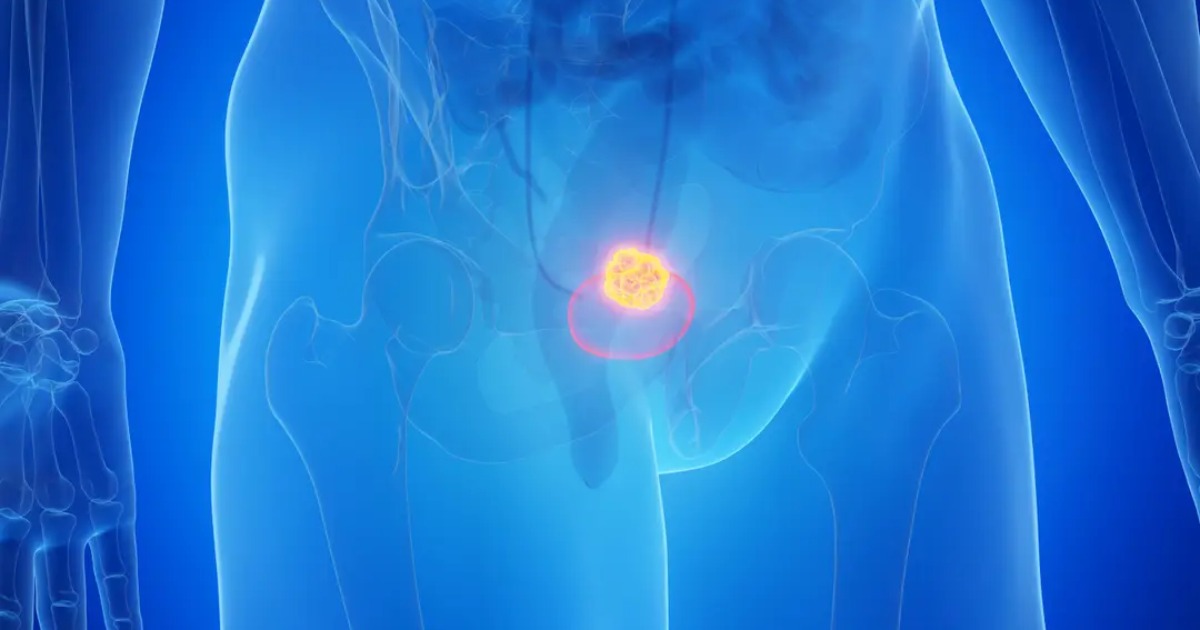

Bladder cancer survivors have shared their experiences of being diagnosed with the disease, highlighting an early warning sign that can sometimes be easy to overlook.
According to Cancer Research UK, approximately 10,500 people are diagnosed with bladder cancer across the country every year, equivalent to around 29 new cases every day.
Despite being one of the more common cancers, some people may not immediately recognise the symptoms, particularly when they appear briefly or cause no discomfort.
Now, two survivors have explained how seemingly minor changes prompted medical investigations that ultimately uncovered cancer.
What is the most common symptom of bladder cancer?
According to the NHS, the main symptom of bladder cancer is blood in the urine, medically known as haematuria.
The blood may make urine appear pink, red or brown, although sometimes it is only detectable through laboratory testing.
Importantly, the symptom does not necessarily cause pain and may disappear before returning at a later date.
Although blood in the urine can have several causes, including urinary tract infections and kidney stones, the NHS advises that it should always be checked by a GP.
Two bladder cancer survivors have explained why taking this warning sign seriously proved particularly important in their cases.
Doctor noticed a tiny change before cancer diagnosis
Arthur Hamberger, a doctor and cancer survivor, first noticed something unusual in 2018 when his urine developed a very faint pink colour.
The change happened only once, and he experienced no other obvious warning signs.
However, having previously been treated for cancer, Arthur decided to contact a urologist rather than dismiss what he had seen.
He underwent a CT urogram, a specialised scan used to examine the urinary tract.
The investigation revealed a sizeable tumour in his bladder, alongside a separate mass in his pancreas.
Arthur, who was 73 when diagnosed with bladder cancer, subsequently underwent treatment that allowed doctors to remove the bladder tumour without removing the organ itself.
He also received surgery for pancreatic cancer.
Speaking to MD Anderson Cancer Center, he reflected on how a seemingly insignificant change had helped doctors identify both conditions.
Woman felt completely healthy despite aggressive bladder cancer
Another survivor, Margo Wickersham, described noticing a small amount of pink-coloured blood in her urine on two consecutive mornings.
Afterwards, the symptom disappeared.
At 57 and post-menopausal, Margo was concerned that there was no obvious explanation for the change.
An initial urine test ruled out a urinary tract infection, and she subsequently sought further investigation from a urologist.
Doctors performed a cystoscopy, a procedure involving a small camera inserted into the bladder to examine its lining.
The examination uncovered a tumour, and Margo was diagnosed with aggressive stage 1 bladder cancer.
Further assessment at MD Anderson also identified plasmacytoid bladder cancer, a rare form of the disease.
Despite the diagnosis, Margo explained that she had otherwise felt perfectly well, highlighting why the absence of pain or illness should not necessarily provide reassurance.
Other bladder cancer symptoms to look out for
While blood in the urine is the most common warning sign, bladder cancer can also cause other symptoms.
According to NHS guidance, these can include:
More advanced disease can sometimes cause bone pain or tenderness.
However, experiencing one or more of these symptoms does not automatically mean someone has bladder cancer, as many can be caused by other, less serious conditions.
When should you see a doctor?
The NHS advises anyone who notices blood in their urine to seek a GP appointment, even if it happens only once or there is a very small amount.
This also applies if the blood disappears or there are no other symptoms.
A GP may arrange urine tests, blood tests or further examinations to identify the underlying cause.
Early investigation can help identify conditions that require treatment and, where cancer is involved, may improve the chances of successful treatment.
Anyone concerned about possible bladder cancer symptoms can find further guidance on the official NHS website.
Macmillan Cancer Support also provides confidential information and emotional support on 0808 808 00 00.