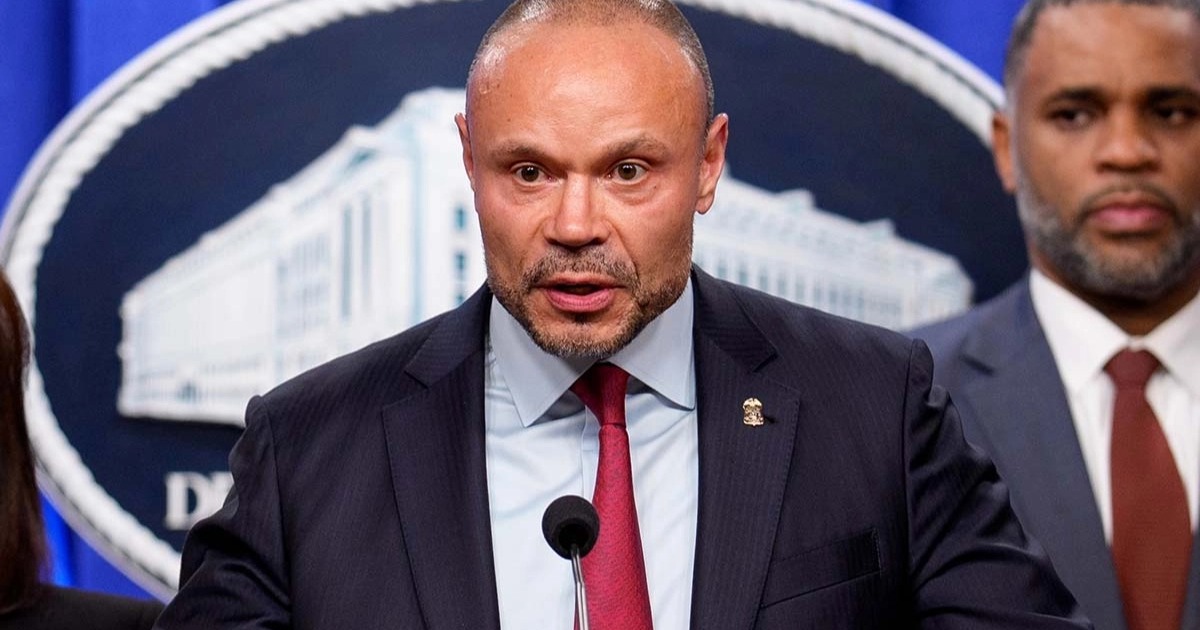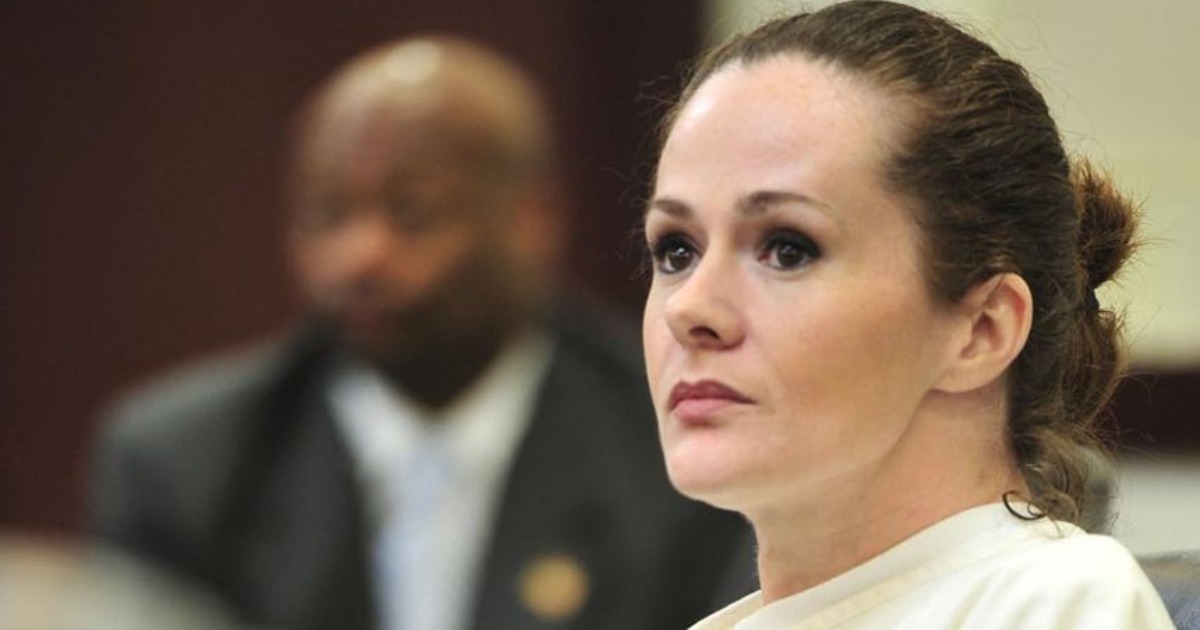

A documentary filmmaker who interviewed convicted murderer Christa Pike almost 30 years ago has revealed his impressions of the woman behind one of America's most notorious death row cases.
Steve Payne met Pike in a Tennessee prison in 1998, approximately two years after she received the death penalty for murdering 19-year-old Colleen Slemmer.
Now, following Pike's survival of a failed lethal injection on September 30, 2026, Payne has revisited their encounter and explained why he believes the state should not attempt to execute her again.
Speaking on the Crime World podcast, the filmmaker recalled his conversation with Pike and shared his views on her personality, upbringing and punishment.
His comments offer a perspective on a case that has attracted renewed attention amid legal questions about the state's attempted execution.
What was Christa Pike really like behind bars?
According to Steve Payne, Pike appeared frightened, ordinary and remorseful when he interviewed her in 1998, rather than resembling the frightening public image associated with her crime.
The filmmaker described her as a scared young woman who did not come across as evil during their meeting.
He said he was struck by how normal she seemed in conversation, despite the brutality of the murder for which she had been convicted.
Payne also recalled Pike expressing regret about the killing and acknowledging responsibility for what she had done.
According to his account, Pike believed she deserved punishment but questioned whether she should have received a death sentence.
His observations reflect one interview conducted decades ago and do not independently establish Pike's current state of mind or the extent of her remorse.
Why was Christa Pike sentenced to death?
Pike was convicted of murdering 19-year-old Colleen Slemmer in Knoxville, Tennessee, in January 1995.
Both women were attending a Job Corps training programme when the killing occurred.
Prosecutors said Pike believed Slemmer was romantically interested in her boyfriend, Tadaryl Shipp.
Pike, Shipp and another young woman, Shadolla Peterson, took Slemmer to an isolated wooded area.
There, Slemmer was subjected to a prolonged and violent assault.
She was beaten and attacked with a sharp object before suffering fatal head injuries.
The crime attracted national attention because of its brutality and reports that Pike had kept a fragment of the victim's skull.
Pike was 18 when the murder took place and was sentenced to death in 1996.
Her age made her one of the youngest women sentenced to death in the United States.
What did the filmmaker say about Pike's childhood?
Payne also criticised the way Pike's personal history was presented during her original trial.
He argued that her legal defence failed to adequately explain the severe abuse and instability she reportedly experienced while growing up.
According to Payne, those circumstances were important to understanding the background of the case.
He described her childhood as deeply troubled and suggested that her lawyers should have presented more evidence about her experiences.
However, evidence of childhood abuse does not diminish the seriousness of Slemmer's murder or remove Pike's criminal responsibility.
Payne's criticism concerns whether the jury had sufficient information to consider mitigating circumstances when deciding her punishment.
What happened during Christa Pike's failed execution?
On September 30, 2026, Tennessee attempted to execute Pike by lethal injection.
The procedure did not result in her death, despite the administration of execution drugs.
Pike was subsequently transported to a hospital for emergency medical treatment.
Her lawyers later reported that she had suffered serious injuries and required continuing care.
After being discharged from hospital on October 10, Pike returned to the Tennessee prison where she had spent much of the previous three decades.
The unprecedented incident prompted legal challenges and questions about whether another execution attempt would violate constitutional protections against cruel and unusual punishment.
Tennessee Governor Bill Lee ordered an independent review of the failed procedure and postponed the state's remaining scheduled execution for 2026.
Does Steve Payne believe Pike should be executed again?
Payne has argued that Pike should not face another execution attempt.
He believes her approximately three decades in prison already represent an exceptionally severe punishment.
The filmmaker also pointed to the extended period Pike reportedly spent in solitary confinement.
In his view, the amount of time she has served, together with the circumstances surrounding her original conviction, supports allowing her to remain imprisoned rather than carrying out the death sentence.
He also questioned whether capital punishment effectively deters violent crime.
Drawing on his experiences interviewing prisoners, Payne argued that people who commit murders generally do not expect to be caught and therefore may not be influenced by the possibility of execution.
These are Payne's personal assessments rather than findings by a court.
What has Christa Pike said since surviving the execution?
In a statement released through her lawyers in late October, Pike described continuing physical and emotional pain following the failed lethal injection.
She said she was struggling with the aftermath of the procedure and remained uncertain about her future.
Pike also acknowledged the suffering experienced by Colleen Slemmer's family.
Her lawyers have pursued legal action relating to the attempted execution, including efforts to preserve evidence about the drugs and equipment used.
Meanwhile, the state's review is intended to establish what happened during the procedure.
No confirmed date for a second execution attempt had been announced in the reporting available at the end of October.
What happens next in Christa Pike's case?
Pike's legal situation remains unresolved following the failed execution.
Her lawyers have raised constitutional concerns about subjecting her to another lethal injection after what happened in September.
State officials must also consider the findings of the independent review ordered by Governor Lee.
Whether Tennessee will ultimately attempt to carry out the sentence again remains uncertain.
Payne's latest comments have added another perspective to the debate, focusing on the woman he encountered during his prison interview almost three decades ago.
However, the central facts of the case remain unchanged: Colleen Slemmer was murdered in 1995, and Pike was convicted and sentenced to death for her role in the killing.
As legal proceedings continue, the case raises difficult questions about punishment, rehabilitation and the consequences of a failed execution.
Sources: UNILAD, Phoebe Tonks, October 31, 2026; Steve Payne interview on the Crime World podcast; Reuters, October 30, 2026; Tennessee Supreme Court order, September 30, 2026.